For Brisbane gardens
We wrote this for Brisbane and South East Queensland weather and soils. If you'd like a hand, see our seasonal garden maintenance page.
Founder and lead horticulturalist
About the author
Stan O'Donnell is the founder and lead horticulturalist at The Garden Barber. He started the business in 2017 and has formal horticultural training.
Read Stan O'Donnell's backgroundWhat matters most before you sell
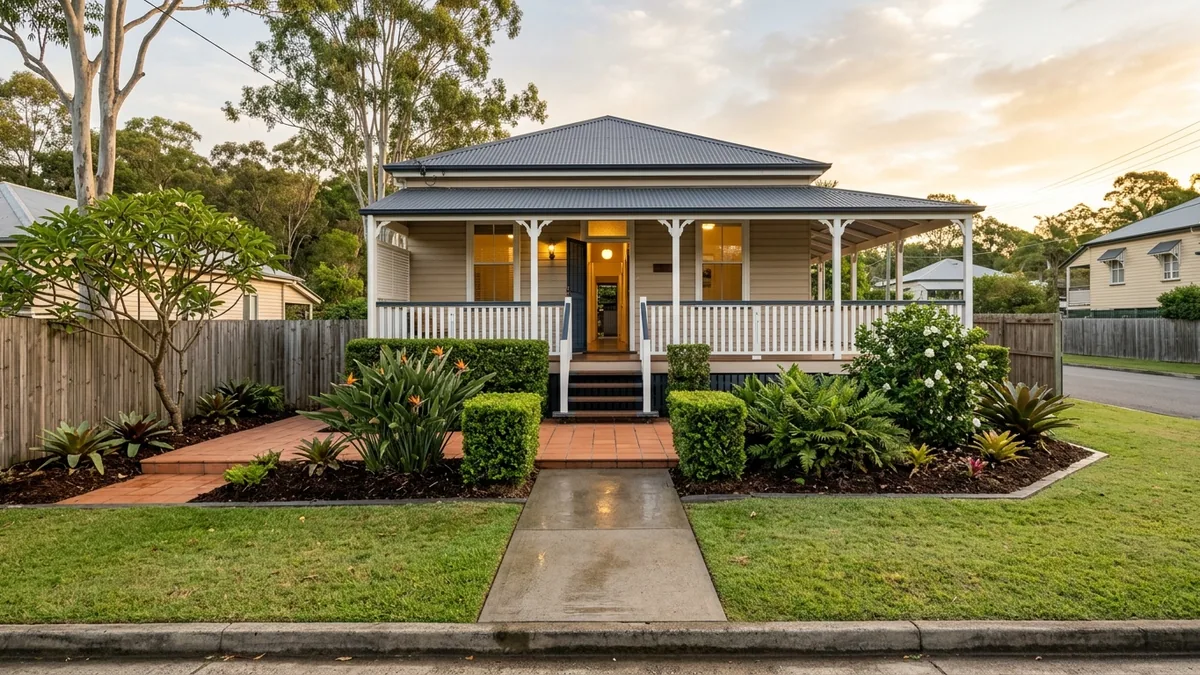
A Brisbane garden going on the market should look clean, under control and easy to own. Buyers shouldn't feel they're taking on an expensive weekend job.
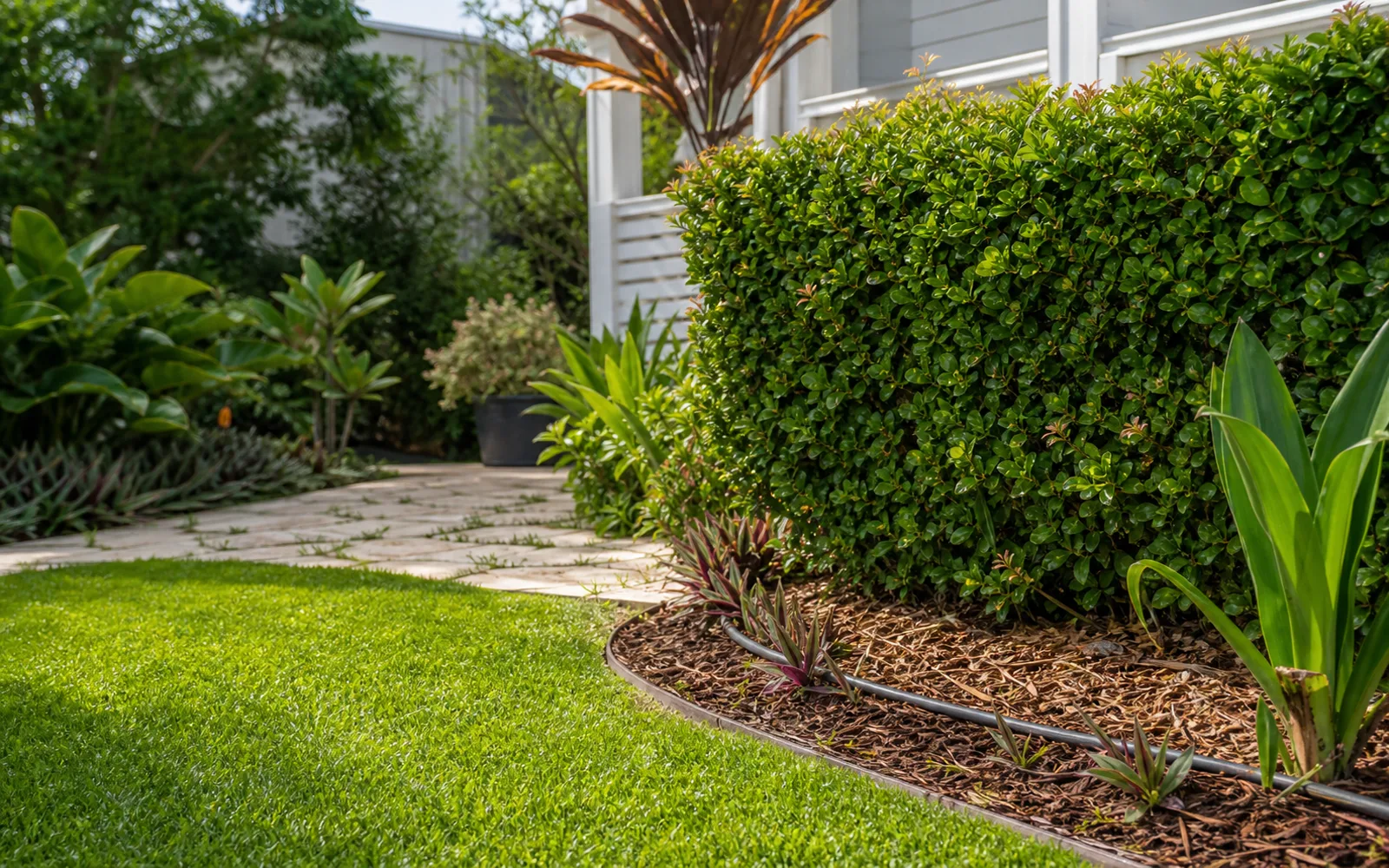
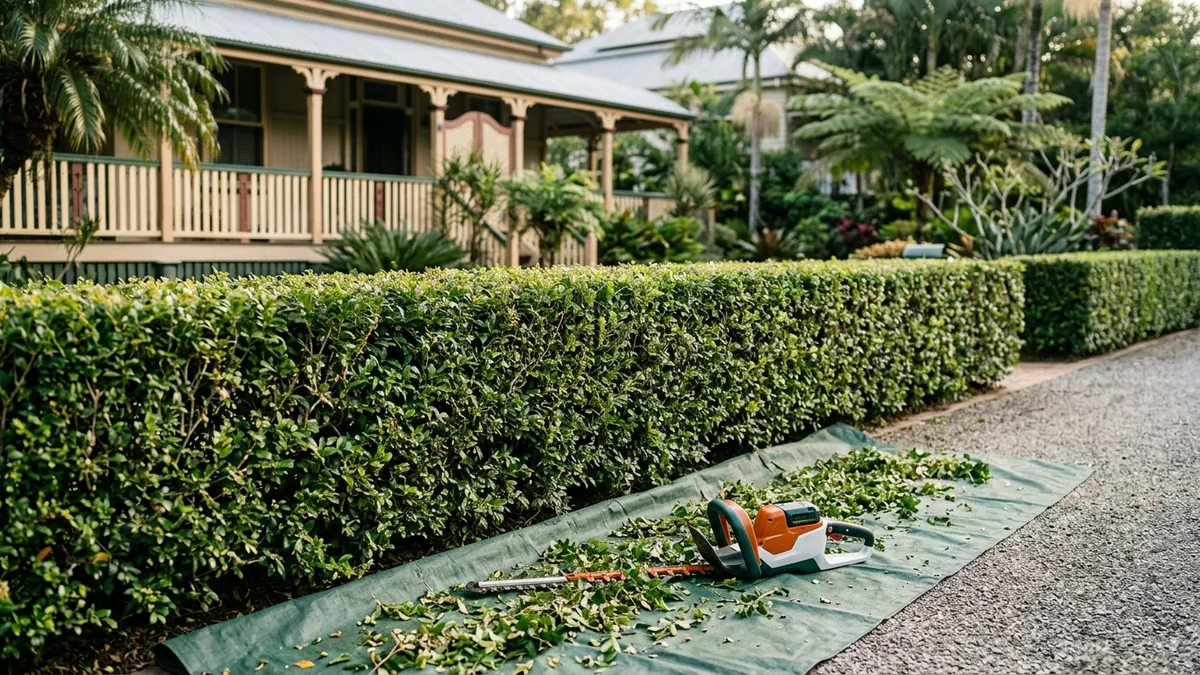
Start with neat lawn edges and tidy hedges. Keep the beds in good shape and open up the views through the garden. Fix any irrigation problems before inspections start.
A quick tidy before photos and open homes
A quick tidy is sometimes enough, but not often. If the garden has drifted, a fast mow can show up bigger problems. Overgrown hedges, tired beds, patchy lawn colour and irrigation faults are easier to spot once everything around them is neat.
Plan a proper garden clean up instead. Work out which jobs buyers will actually notice, and do them in a sensible order. Big jobs can be split into stages.
Jobs buyers notice first
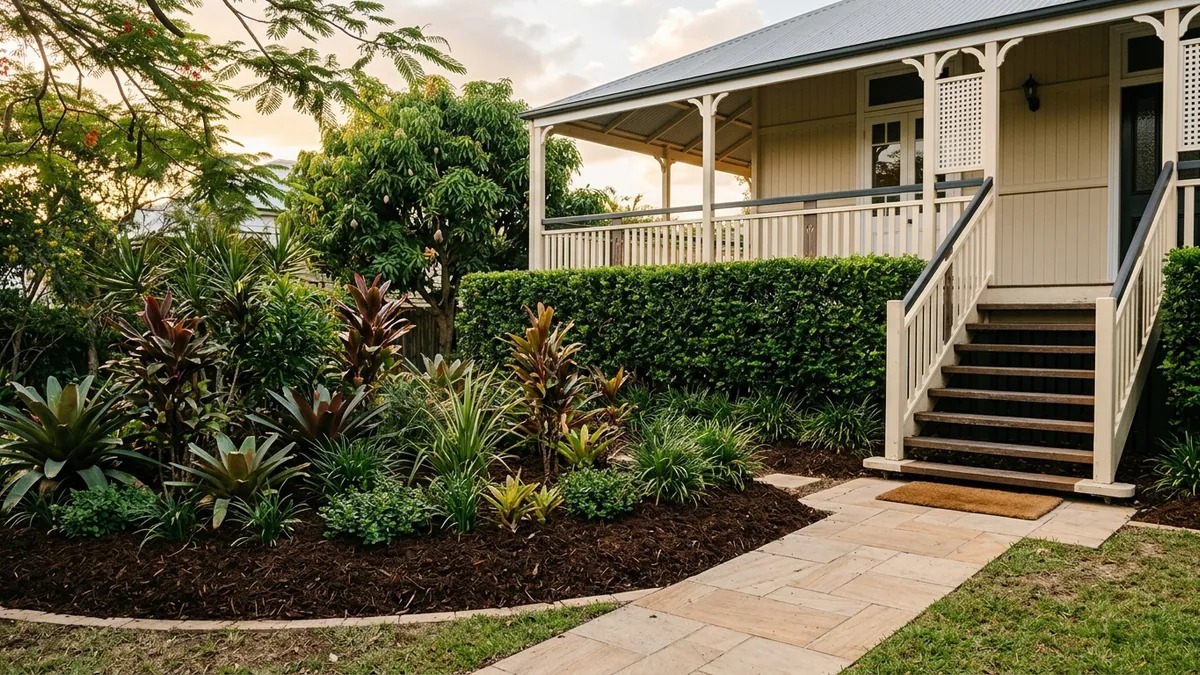
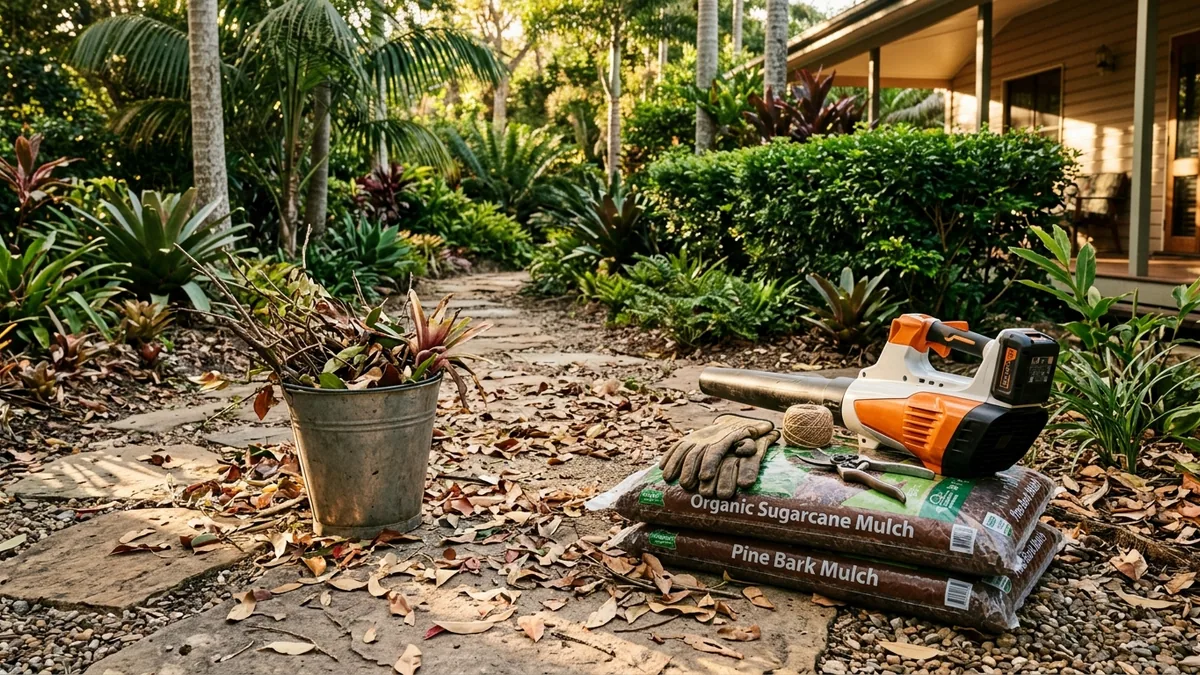
For most homes, the biggest difference comes from mowing and edging and from hedge shaping. After that, prune to open up crowded plants and clear out dead growth. Mulch the tired beds and tidy up any mess around the irrigation.
None of it is glamorous. It still changes how the property looks from the street and from inside the house.
Know what to leave alone
Some plants shouldn't be cut hard, some beds don't need replanting, and some problems aren't worth the money before a sale. Spend on what buyers see most, and skip work that won't change how the place looks.
Knowing what to skip takes a trained eye. Stan, who still leads the business, has formal horticultural training.
When to start
A few weeks before the photos and the listing, if you can. That leaves time to do the work properly and let the garden settle, so it doesn't look freshly hacked around the edges.
Got a listing date? Put it in your quote request, or mention it when you ring 1300 001 803. We aim to reply to quote requests within 1 business day.
Free quotes
Getting a quote
Quotes are free. Send your suburb and a few photos through the quote form.
Other pages that might help
Get us to do it
We get the garden ready for each season, with the jobs planned around the time of year.